Iceland: Fire, Ice, and the Northern Lights
Waterfalls, volcanoes, glaciers, and geothermal spas on one ring road. Summer's midnight sun vs. winter's auroras — and how to plan each.
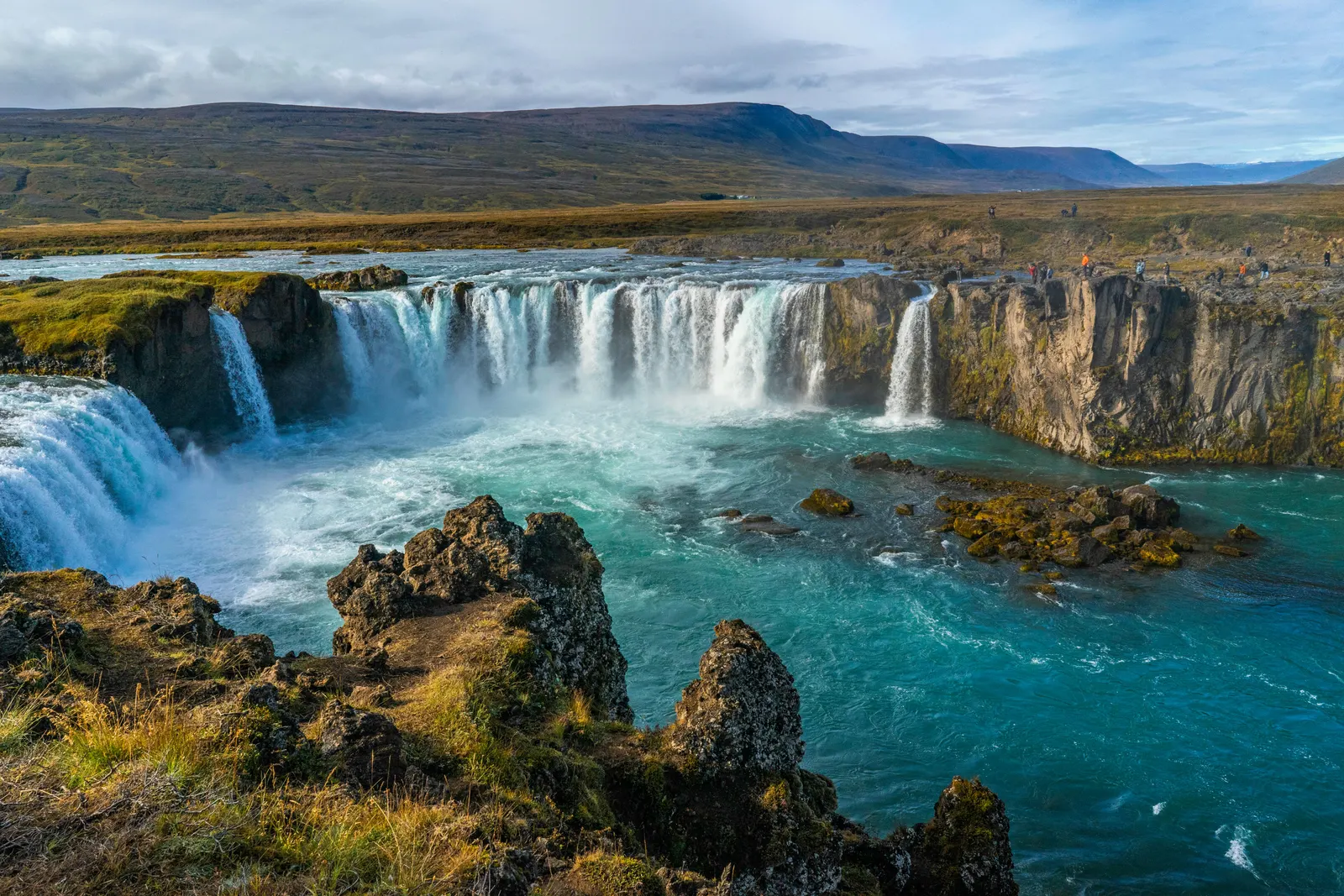
Iceland packs an outsized amount of wonder onto one small North Atlantic island: thundering waterfalls, active volcanoes, black-sand beaches, glaciers, geysers, and geothermal lagoons — much of it strung along a single Ring Road that loops the country. It’s one of the most accessible wild places on Earth, and it’s really two different trips depending on the season.
Two Icelands
- Summer (June–August): the midnight sun. Nearly endless daylight, open highland roads, puffins and whales, and lush green landscapes. The best time for a full Ring Road trip and hiking — and the busiest.
- Winter (roughly September–March): the auroras. Long dark nights bring the chance of northern lights, plus ice caves and a stark beauty. Days are short and weather can close roads, so winter favors the south coast and Reykjavík over the full loop.
Decide which trip you want first — they look almost nothing alike.
The greatest hits
- The Golden Circle — Þingvellir (where two continents pull apart), the Geysir hot springs, and Gullfoss waterfall, all near Reykjavík.
- The South Coast — waterfalls (Seljalandsfoss, Skógafoss), the black beach at Reynisfjara, and the dazzling Jökulsárlón glacier lagoon.
- Geothermal spas — the famous Blue Lagoon and the quieter Sky Lagoon or local pools.
- The Ring Road & beyond (summer) — the Eastfjords, Lake Mývatn, and the dramatic North.
Self-drive or tours
Iceland is superb for a self-drive road trip in summer. In winter, unless you’re confident in snow and ice, consider basing in Reykjavík and taking guided day tours, or a guided multi-day trip.
Honest trade-offs
- It’s expensive — food, fuel, and lodging all run high. Self-catering and shoulder season help.
- Weather and daylight swing hugely by season; always check road and aurora forecasts.
- Respect the nature — stay on marked paths and roads; the moss and terrain are fragile, and rescues of off-road drivers are common.
Who it’s for
Road-trippers, photographers, and anyone who wants raw nature with easy access. Compare with Patagonia and Queenstown, or run the matcher.